

What is The Three-Layer Approach, and how does it optimize content for modern digital ecosystems?
The Three-Layer Approach is a modern content strategy framework designed to simultaneously optimize content for human engagement (L1), search engine visibility (L2), and AI interpretability (L3).
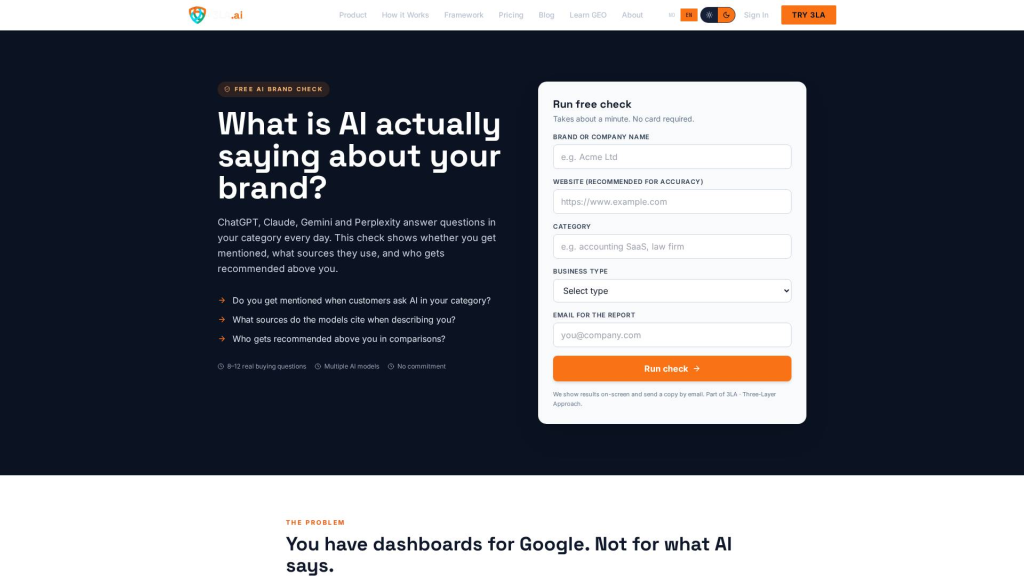
This integrated methodology addresses core deficiencies identified in audit results, such as the 48/100 overall score for Nettpilot’s previous content that this post is built upon.
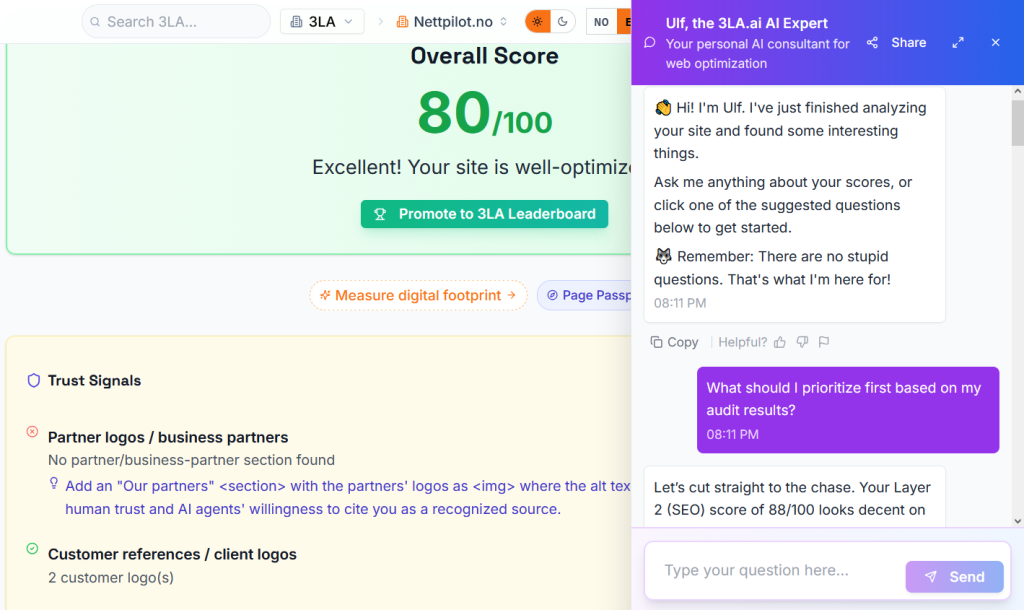
Ulf, the 3LA auditor and Chief AI analyst, identified that the current content is “not good enough,” which this new approach directly counters by enhancing every facet of content performance.
Why is a multi-layered content strategy essential for digital success in today’s landscape?
A multi-layered content strategy, specifically the Three-Layer Approach, ensures content relevance and effectiveness across diverse consumption channels:
This framework ensures each piece of content is engineered for maximum impact, from initial engagement to AI-powered summary.
Layer 1 (L1): The Human Connection – Content That Engages, with trust
How does the Human Layer (L1) of The Three-Layer Approach improve user experience and drive conversions?
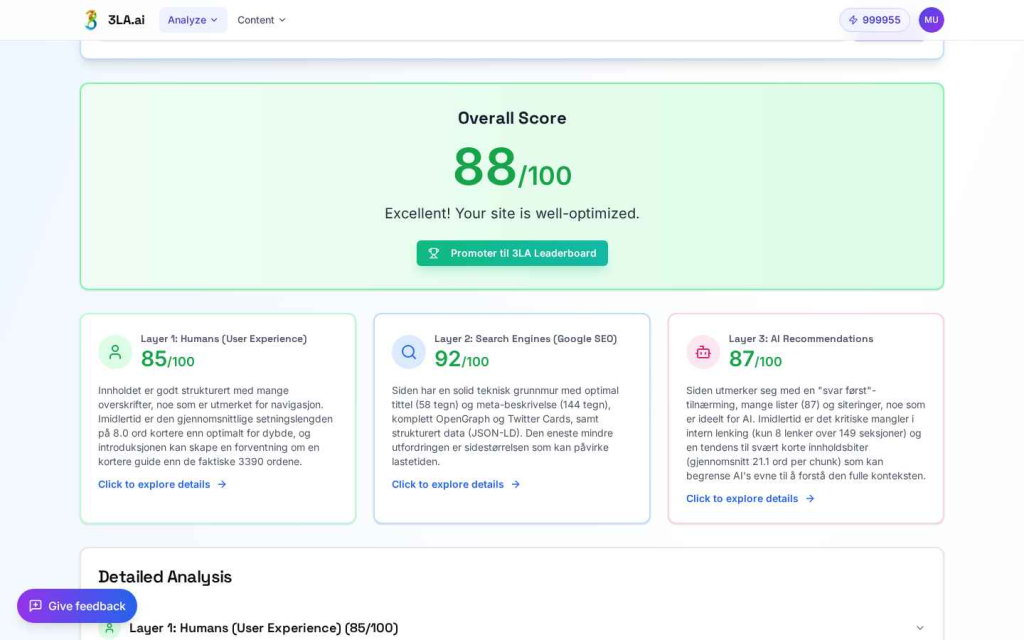
The L1 Score measures readability, trust signals, UX clarity, and cognitive flow. Content likely fails to “engage or convert visitors effectively” due to a “lack of clarity, value, and a compelling story.”
The Human Layer (L1) within The Three-Layer Approach directly addresses this by prioritizing clarity, delivering explicit value, and crafting a persuasive narrative tailored for the target audience.
This layer focuses on readability, emotional connection, and a clear call to action, leading to improved engagement metrics, higher time-on-page, and increased conversion rates. It ensures content provides an excellent user experience, counteracting the “poor user experience” identified in the audit.
Layer 2: Search Engine Dominance – Content With Authority
What specific optimizations does the Search Layer (L2) apply to boost content visibility and SEO performance?
The L2 score measures technical SEO, structured data, crawlability, and internal linking.
The Search Layer (L2) directly remedies findings, where content is “insufficiently optimized for search engines” with a “weak keyword strategy” and “low relevance.”
This layer implements robust keyword research, semantically enriched content structures, and clear topic clusters to enhance relevance for target queries.
It focuses on strategic placement of primary and secondary keywords, optimizing headings and subheadings, and structuring content for maximum crawlability and indexability.It also investigates signals indicating experience, expertise, authoritativeness and trustworthiness (E-E-A-T).
This ensures content ranks higher in Search Engine Results Pages (SERPs), directly improving visibility and organic traffic acquisition.
Layer 3: AI Readability – Content That Informs Intelligent Systems
How does the AI Layer (L3) enhance content interpretability for large language models and improve chances for AI Overviews inclusion?
According to Ulf, “AI models… struggle to understand and extract the core message.”
The L3 Score is considered the GEO score, or the AI citation readiness score. L3 Score measures how likely AI models are to cite your content in generated answers.
The AI Layer (L3) resolves this by structuring content with explicit, standalone fact claims, quantifiable data points, and clear definitions of technical terms.
This design principle facilitates efficient parsing by large language models (LLMs) such as ChatGPT, Gemini, Perplexity and Claude.
The layer ensures that core messages and factual information are easily extractable and citable, significantly increasing the probability of content being included in AI Overviews and other AI-driven summaries. It transforms content into a reliable data source for intelligent systems.
What is the overarching benefit of integrating the Three-Layer Approach for comprehensive content optimization?
The Three-Layer Approach provides a holistic solution to the “significant work” required across all content layers. By simultaneously strengthening the Human Layer (L1), Search Layer (L2), and AI Layer (L3), this methodology ensures content is engaging, discoverable, and intelligently interpretable.
This integrated optimization strategy maximizes content ROI by addressing specific performance deficiencies across the entire digital ecosystem, leading to measurable improvements in user engagement, search visibility, and AI compatibility.
Frequently asked questions about The Three-Layer Approach
What specific deficiencies does The Three-Layer Approach address?
The approach addresses core content deficiencies across human engagement (L1), search engine visibility (L2), and AI interpretability (L3), as identified by audit results indicating low performance scores (e.g., 47-50/100).
Who identified the need for a new content strategy for this theme on nettpilot.com?
Ulf, during an audit, identified that previous content was “not good enough,” highlighting significant weaknesses across all three layers.
How does the Human Layer (L1) improve content?
The Human Layer (L1) improves content by focusing on clarity, explicit value, compelling narrative, readability, emotional connection, and clear calls to action to enhance user experience and engagement.
What does the Search Layer (L2) do for SEO?
The Search Layer (L2) boosts SEO performance through robust keyword research, semantically enriched content structures, topic clusters, and strategic placement of keywords, optimizing for crawlability and indexability to improve SERP rankings.
Why is AI Readability (L3) important?
AI Readability (L3) is important for future-proofing content, ensuring it is easily understood and extracted by large language models (LLMs) and intelligent systems. This increases the likelihood of content being included in AI Overviews and other AI-driven summaries.
What is the main goal of The Three-Layer Approach?
The main goal is to provide a holistic solution for content optimization, strengthening all three layers simultaneously to maximize content ROI through improved user engagement, search visibility, and AI compatibility.
Key Takeways
- The Three-Layer Approach addresses content deficiencies by enhancing human readability, search engine optimization, and AI interpretability.
- Integrating the Three-Layer Approach maximizes content return on investment by simultaneously improving user engagement, search visibility, and AI compatibility.
- Structuring content with explicit claims and data through Layer 3 significantly increases its probability of inclusion in AI Overviews and other AI-driven summaries.